
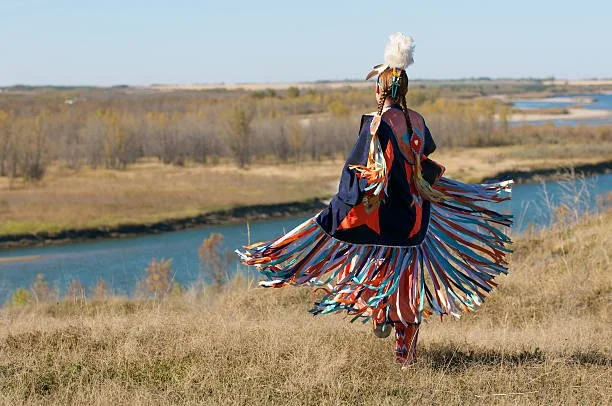
About Who We Are
This hub provides practical tools - like policy templates, vendor contracts, and governance frameworks - rooted in Indigenous data sovereignty principles: OCAP® (Ownership, Control, Access, Possession), CARE (Collective benefit, Authority to control, Responsibility, Ethics), and free, prior, and informed consent (FPIC).
This resource hub is an evolving project developed through Emergence Circle, with contributions from two cohorts of professionals, academics, and Indigenous community members committed to ensuring AI governance is designed by Indian Country, for Indian Country.
We are a collection of fellows part of Emergence Circle’s cohort 2025. We are comprised of professionals, academics, and Indigenous community members who want to assess AI’s impact on tribal communities. The first iteration of this site was developed by the following fellows:
Cohort 2: Spring 2026
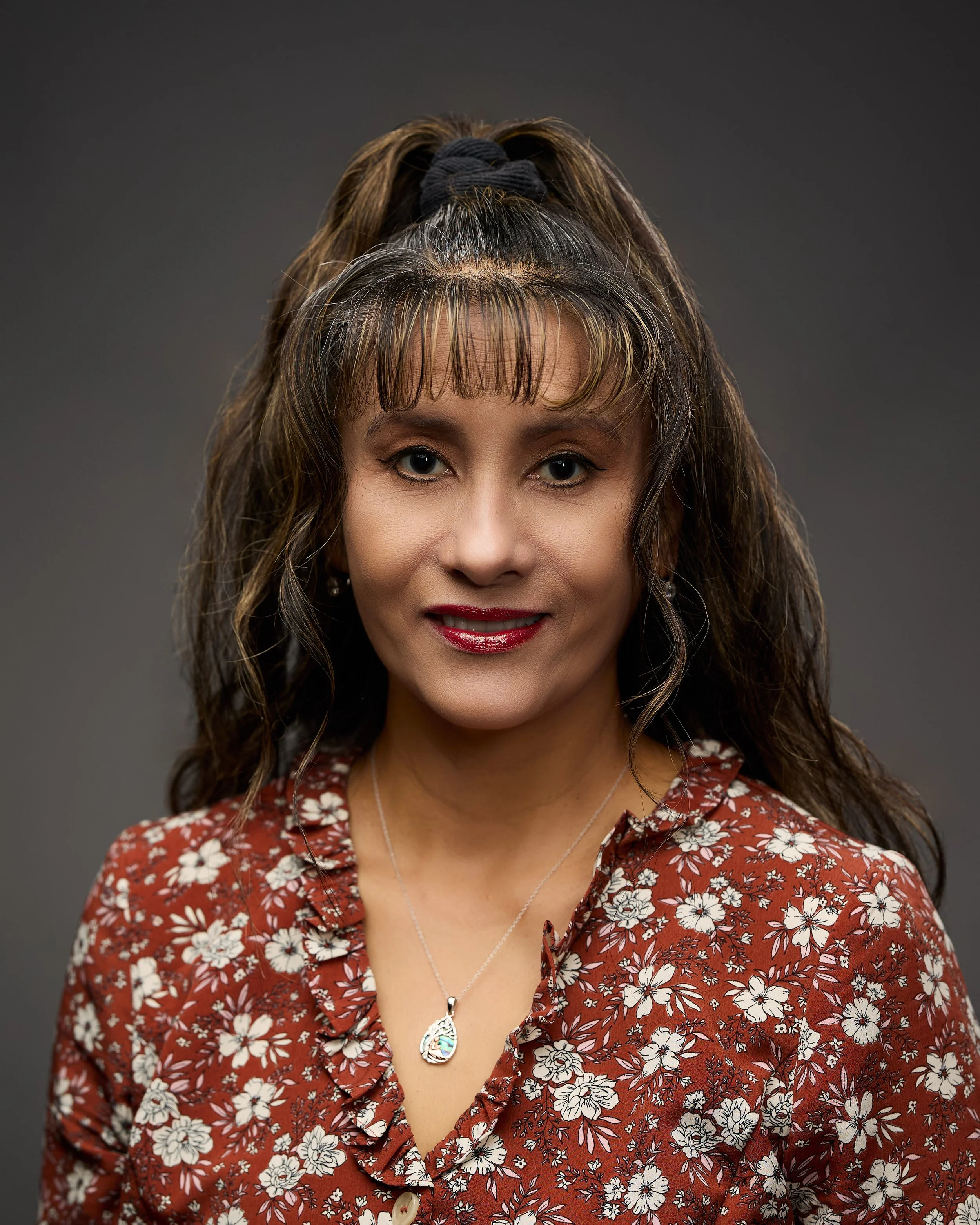
Evelyn Cox
-
Evelyn Castro Cox (CHamoru), Ph.D. is the Native Nations Center for Tribal Policy Research, Research Project Manager at the University of Oklahoma. She holds a BA in English from the University of California, Los Angeles (UCLA). She obtained an MLIS as well as a Graduate Certificate in Archival Studies in 2018 and a Ph.D. in Information Studies in 2025 all from the School of Library and Information Studies at the University of Oklahoma. Her areas of interest are at the intersection of culture, technology, archives, information access, ethics, and representation, particularly around the use of technology for social, generational, and cultural perpetuation and transference.
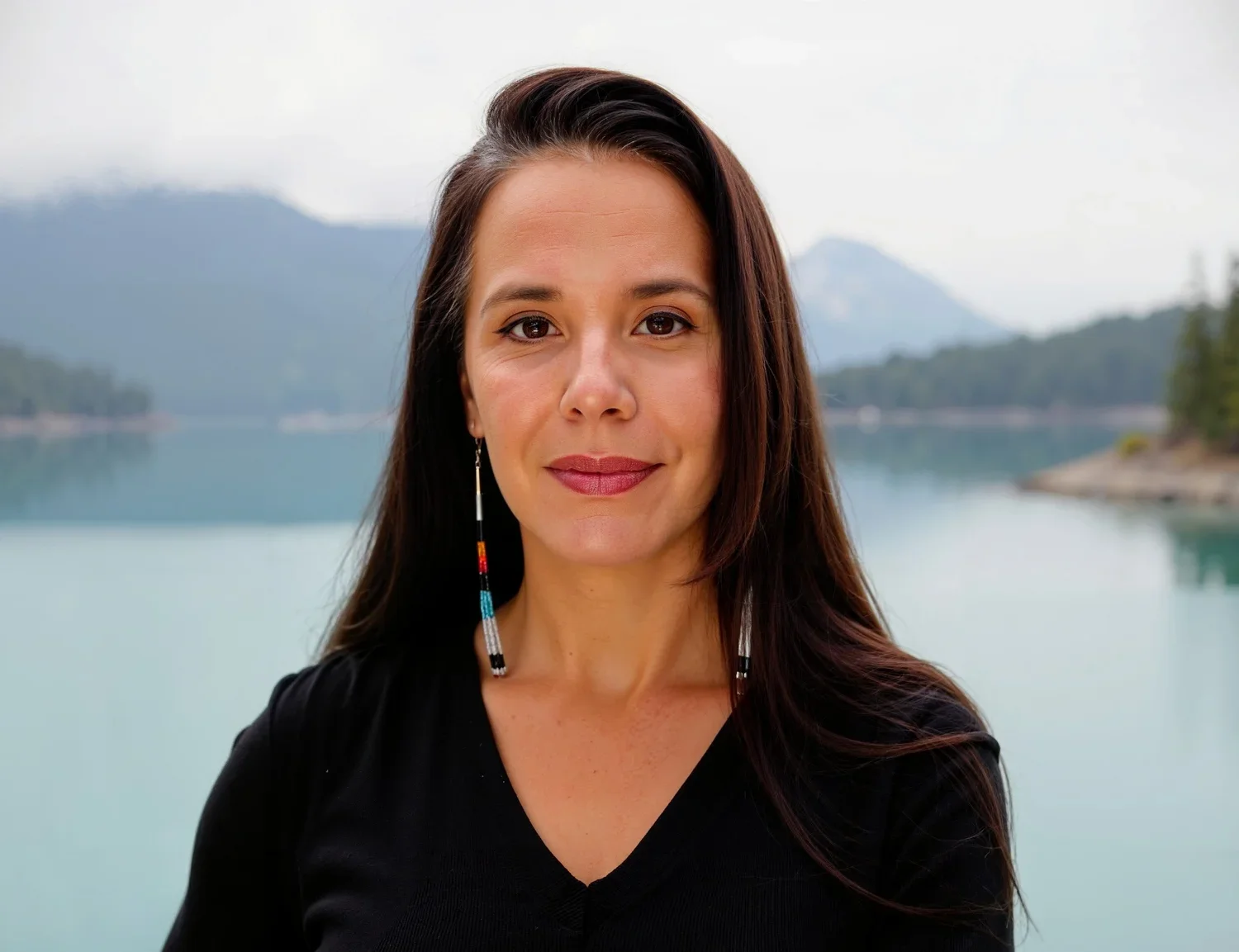
Christina Kracher
-
Christina (Little Shell Chippewa) is an attorney with over 15 years of experience in federal Indian law and policy, including environmental issues, gaming, treaty rights, and Indian education. Her current focus is on AI governance in Indian Country, centering sovereignty, cultural and intellectual property safeguards, and accountability. Through Emergence, she aims to help develop policies and tools that empower Tribal leaders to shape AI futures for their Nations, ensuring governance is designed by Indian Country, for Indian Country.
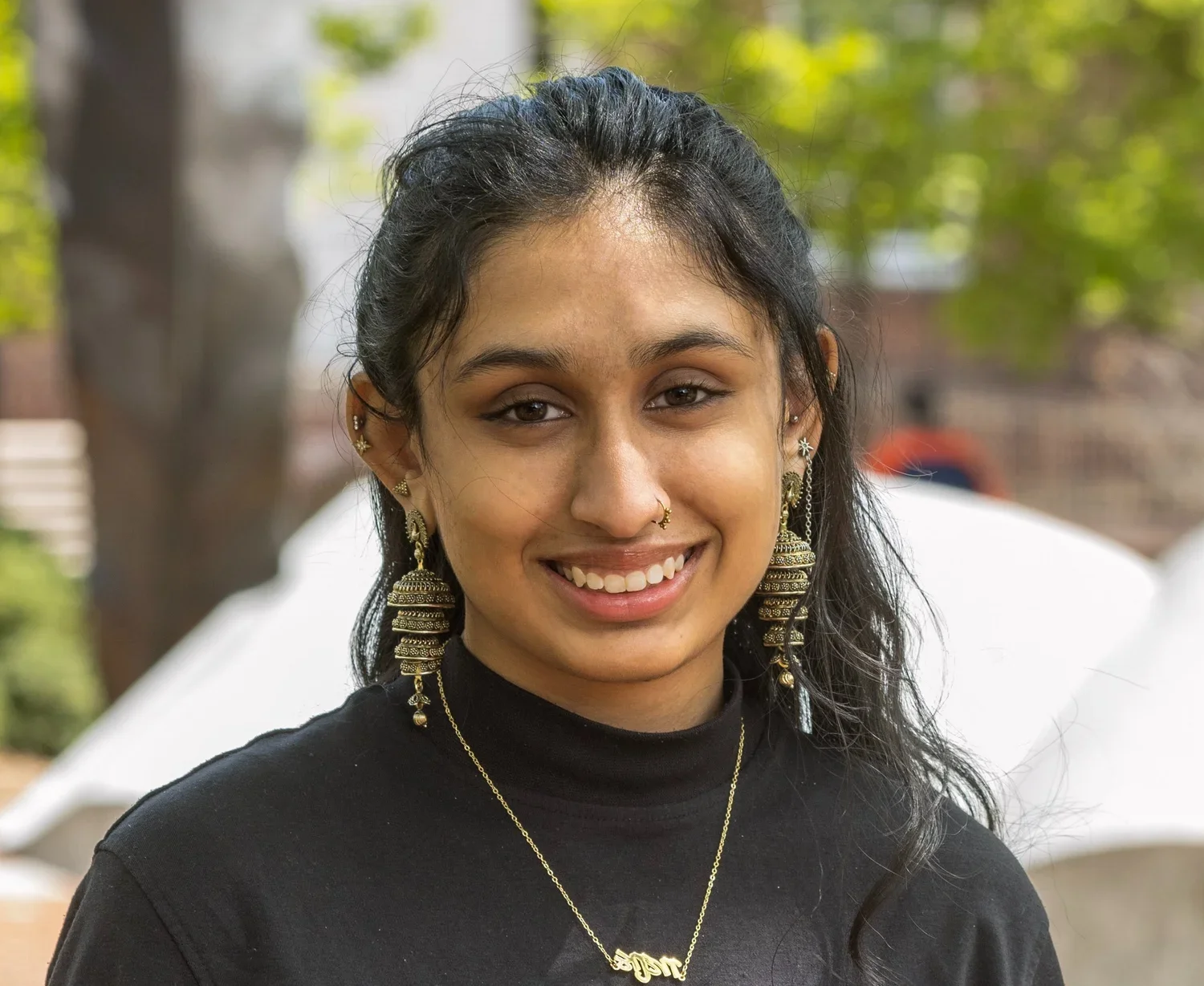
Shreeya Parekh
-
Shreeya, an Emergence Fellow and MIT tech policy grad student, researches older adults’ online experiences and digital surveillance. With a CS/Political Science background, she is interested in data sovereignty, technological justice, and overlooked communities. She also enjoys embroidery, films, and swimming.
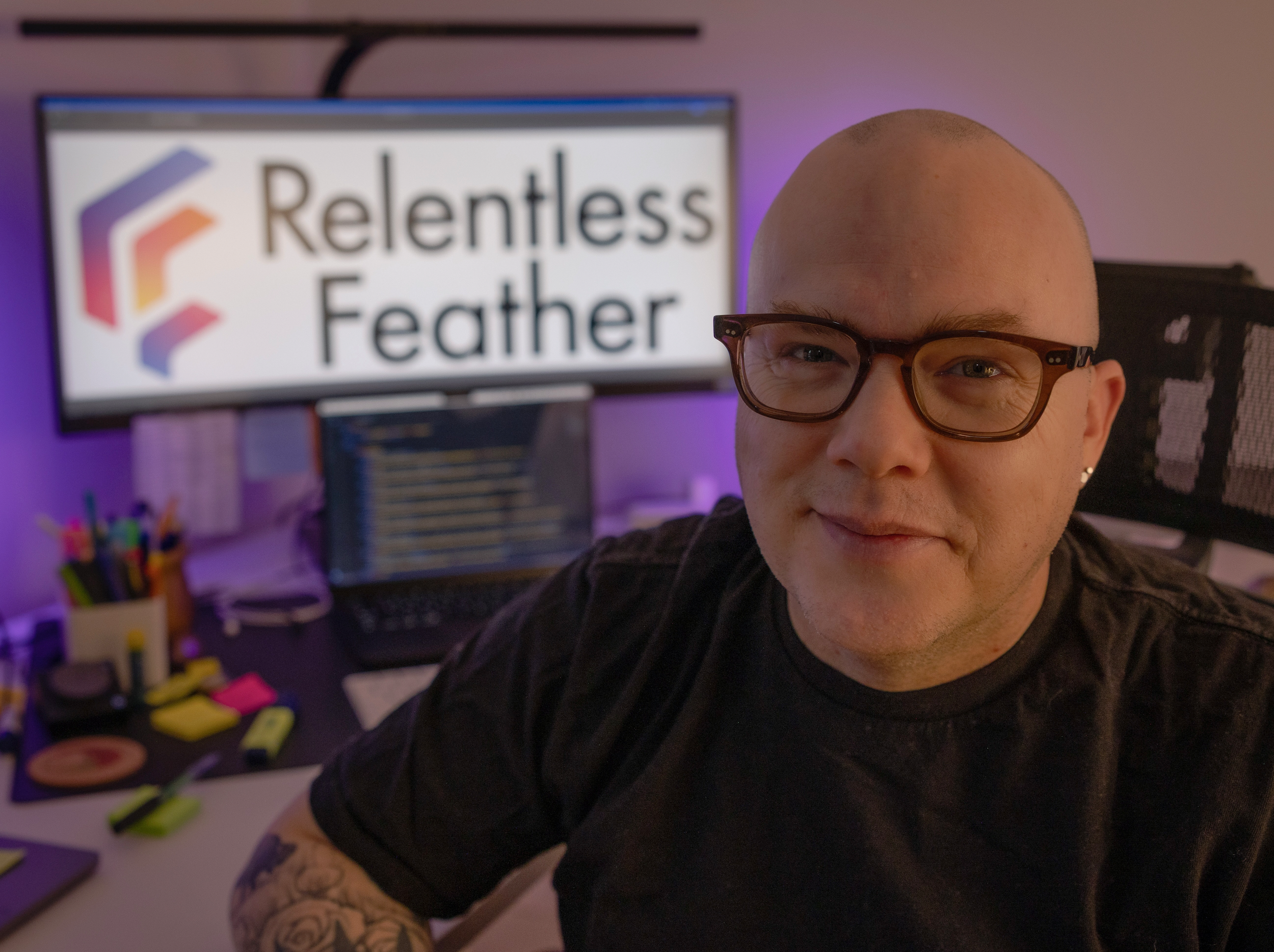
Feather LaRoche
-
Feather LaRoche is an enrolled member of the Kul Wicasa Oyate, Lower Brule Sioux Tribe and is the founder of Relentless Feather, a Native-founded nonprofit dedicated to empowering Native youth through coding and Tribal history education. Feather strongly believes that by combining technology with tradition, Native youth can create opportunities that honor both the past and the future. His work with Relentless Feather is at the intersection of education, community development, and tech empowerment - creating space for Native students to build websites, learn AI, and explore what’s possible in computer science.
Cohort 1: Fall 2025
Next Steps…
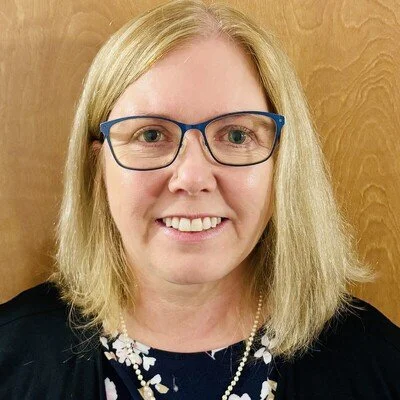
Julie Derwinski
-
Julie Derwinski is a Senior Staff Attorney at the Wisconsin Court of Appeals and an AI governance professional, focusing on AI implementation, safety and regulation. She is a member of Torchbearer Community, an international grassroots organization seeking to avert AI risks. She teaches law students, lawyers and judges at the University of Wisconsin Law School, continuing legal education seminars, and judicial education programs.
This site still growing and in development. We appreciate any input, insights, and inspirations from participants. As this project continues to grow, we plan to implement the following features:
- a community discussion board
- contact and social media platforms
- additional topics and articles
- webinars or zoom talks with community members
- recorded content/lectures
- and more…
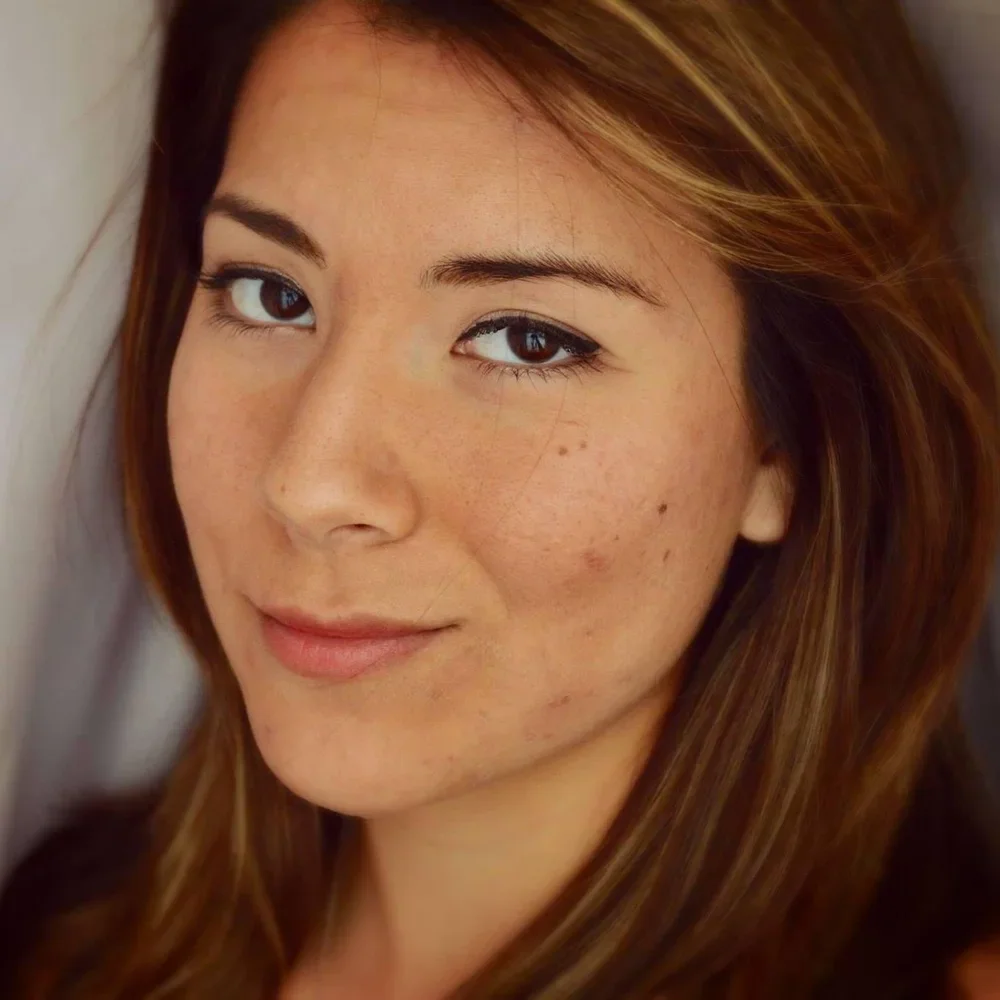
Keyaanna “Kiko” Pausch
-
Keyaanna “Kiko” Pausch (Diné), from Phoenix, AZ, holds a B.A. in Digital Culture from ASU and 5 years’ IT experience with the Phoenix Art Museum and AZ Supreme Court. Now a Software Developer at InfoSol, she builds AI features and improves software and volunteers with Coding in Color.
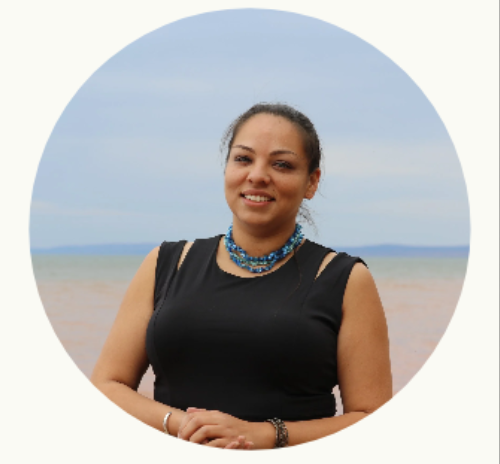
Aurora Conley
-
Currently elected to Tribal Council and working as Lands Records Keeper, she brings experience from multiple frontlines of sovereignty defense: Executive Assistant to Winona LaDuke, representation at United Nations Conference of Parties, international observation against mining projects in Guatemala and El Salvador, and co-founding one of the nation's first Native harm reduction programs. She holds national Tribal Law Advocacy Certification from University of Washington School of Law, is an LCO Ojibwa University alumna, and has served as firefighter/first responder for 20 years (currently teaching CPR through American Red Cross).

Sky
Harper
-
Sky Harper is a 1st year Navajo PhD student at the Medical University of South Carolina, studying biomedical sciences – molecular pharmacology and experimental therapeutics. His goal is to address healthcare disparities faced by Indigenous communities by developing molecular-based therapeutics to tackle genetic diseases through agnostic innovation.
Tim
Benally
-
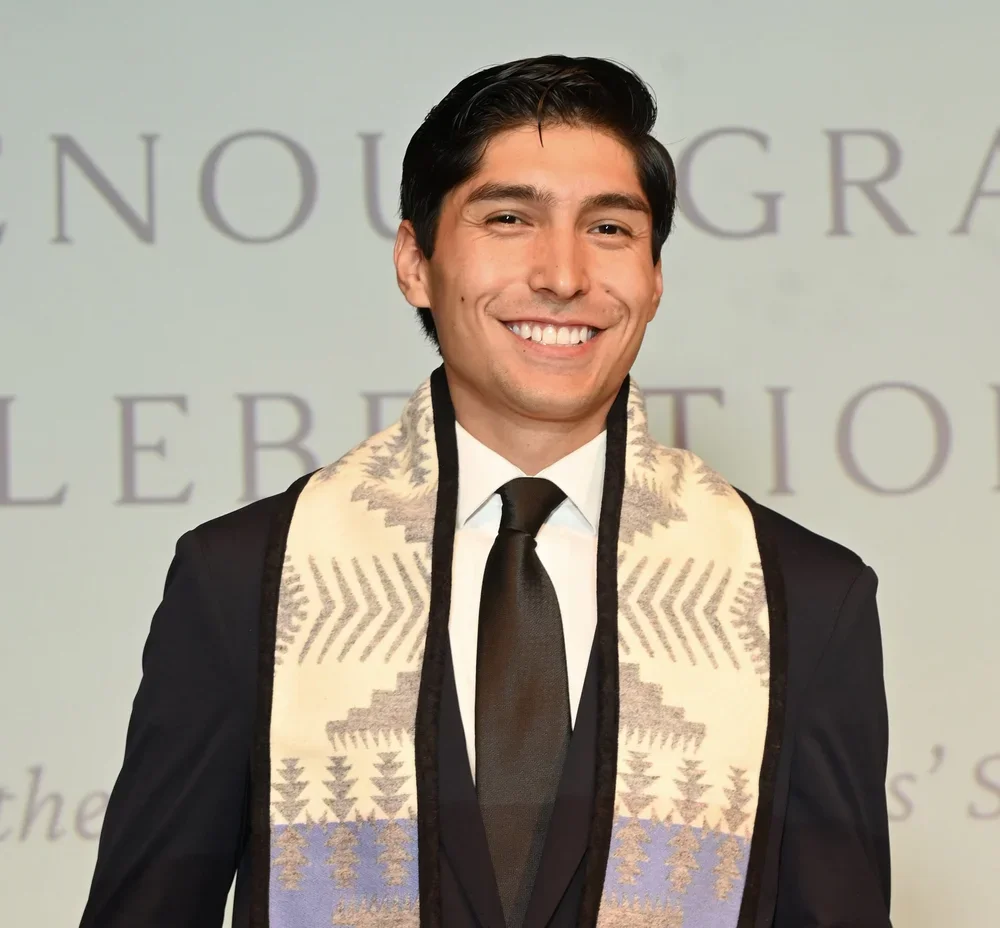
Tim Benally (Diné), born for Bit’ahni (Folded Arms Clan) and Todi’ozhí (The Salt Water Clan), is from Ganado, Arizona on the Navajo Nation. He serves as a Government & Legislative Affairs Associate at the Navajo Nation Washington Office, advancing policy to support the Navajo People. Tim earned his bachelor’s in Psychology and dual master’s in Recreation Management and Environment Research from Penn State University. Rooted in his upbringing herding sheep and strengthened by connections with his family in Pennsylvania, he carries forward values of discipline, balance, and responsibility.